Analysis of the results from our questionnaire


From our questionnaire we got 21 responses and this is an analysis of our results: 


 From our results, we can see that the majority of the people who answered our survey were female (90%) and were between the ages of 16 and 18., Only 3 of our respondents were over 18. This suggests to us that the people who are most interested in teen rom-coms are female and are teenagers. This is therefore the demographics our target audience and we will do our best to appeal to them.
The questionnaire also allowed us to identify the interests of our target audience. We found that the most common hobbies or interest for our target audience was watching television. Other interest we identified from our questionnaire included watching films, reading, sport and socializing. By identifying the interests of our target audience we will be able to incorporate the aspects of these interests into the opening of our film. This will allow the audience to empathise with the characters in the film.


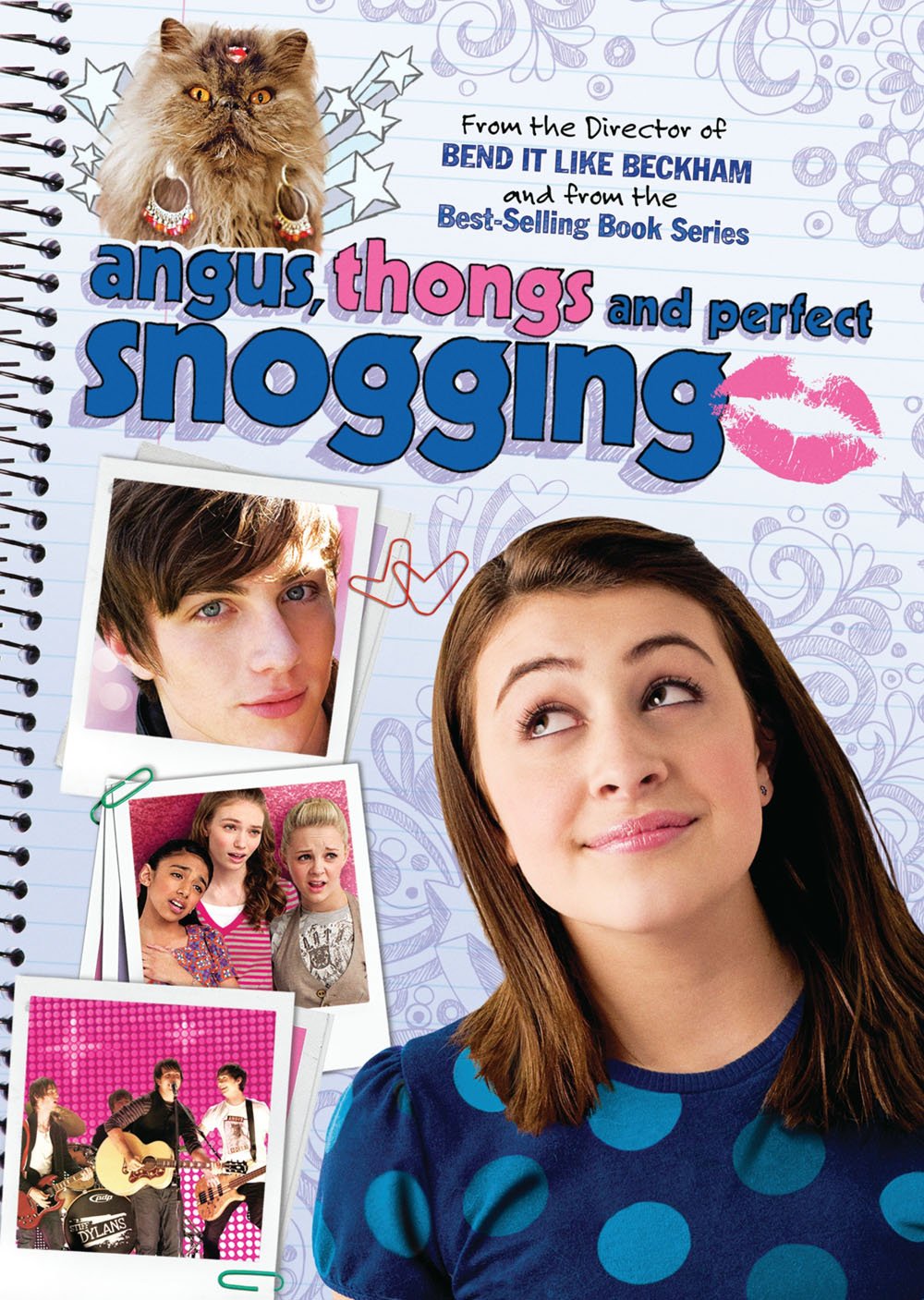
A question we asked in the questionnaire was how many specific teen rom-coms the respondents had watched. The two most popular film were 'Angus,Thongs and Perfect Snogging' and 'Mean Girls'. Both these films have a typical plot for a rom-com film with an outcast girl as the main female protagonist. The main character also ends up getting the 'dream guy'. By identifying the similar plots and openings of both these films we will know what the expectations of the audience of our opening will be and how we will be able to appeal to them. 
From our survey we were able to identify the characters that the audience expect and who will we include in the opening of our film. A main female character was 100% in our survey therefore we will definitely include this type of character in our opening. The 'dream guy' and the parents both scored equally as the second most popular and therefore we will try and include these in our opening to fulfil audience expectations. The least common character was a male main character so we will definitely not include this in our opening. 

Other questions we asked in our survey were open questions. We asked what they though of the opening of the rom-coms they had watched. Many respondents said that they enjoyed them and that they were good and intriguing. Other respondents said that they were not very interesting and presented an over-exaggerated representation of teenage life. One respondent said: 'Funny opening which make the audience laugh are the best because it makes the character seem more likeable and you can connect with them'. From this response and other similar responses it is suggested that we should include a large element of comedy in the opening to entice our audience and make them want to watch on. 

A question we also asked were how similar the plots of the films were. Nearly all respondents said the plots of the films were very similar in terms of ideas about love and relationships. We also asked in relation, what do they expect when they watch a teen rom-com. Many of them said they expect a boy meets girl storyline which will end with a happy ending. People also said that they would expect aspects of jealousy and fighting which will continue the narrative. 


Creating out questionnaire

As part of our primary research we created a questionnaire asking both open and closed questions about the openings of teen romantic-comedies and what they expect in them. We also included questions identifying the demographics of our audience so when making our opening we will be able to appeal to that target audience and what they like. We then used the website www.surveymonkey.com to create our survey.We sent the survey via email to people of various ages to get there responses.


Analysis of an opening: 'It's a Boy Girl Thing'

Creation of enigma
Not much enigma is created but we do not know the background of these characters and how they relate to each other. We can see that they are neighbours but we do not know why they have a bad relationship and what will happen next after the female protagonist 'flashed' the male protagonist because we do not know if they will get in a relationship or not but we assume that they will. 

Introduction to characters
The two main characters are introduced. The female protagonist is represented as being a conventional nerd/geek character. This is first introduced because she is reading a book and trying to study. However, she is also conventional because from her room and what she is wearing it is typical for a teenage girl. The female protagonist also uses a voice-over expressing what she is trying to read, this indicates that she is unable to think properly and creates annoyance for her which we as the audience side with because she is the first character we see.  The male protagonist is presented as being a typical jock character, we can see that he is shirtless and interested in women/sex which suggests that he is arrogant. The fact that he is playing loud music inconsiderately also reinforces this. 

Setting up plot
Binary opposites is created by the two characters, the shot of them where they are both talking out of the window with the tree in the middle signifies that they are opposites and they will never get along and that there is a clear separation between them. As it is a romantic-comedy film we were introduced to themes of love by the reading of Romeo and Juliet and sex which indicate that these two characters will eventually get together. 

Pace and rhythm
The pace and rhythm was fairly slow at the beginning when the female character was reading her book but as her annoyance grew and the introduction of the other character the pace began to increase suggesting that she is getting more and more angry with the male protagonist. 

Mood and tone
The mood is fairly angry, this is reflected by the harsh and loud music that is being played from the stereo as well as the dialogue and the angry tone that the female protagonist is displaying. 

Analysis of an opening: 'Angus, Thongs and Perfect Snogging'

Creation of enigma
There is creation of enigma in the first shot because we do not know why she is dressed up as an olive and how other people will react to her and what she is wearing. We also see a friction that is created by the protagonist and antagonist and the audience want to know how and why there is friction between the characters. 

Introduction to characters
The first character that we are introduced to is the main female protagonist, Georgia, she is the first characters voice that we hear and immediately we recognise her as the protagonist. The first shot that we see is a medium shot of her father, with her walking alongside the car. Although we recognise her as the protagonist, we see that she is overshadowed by her dad implying that her parents dominate over her and her social life as we recognise that she is going to a party. The antagonist is later introduced when Georgia enters the party, after gasps from the people at the party we see that she initiates fits of laughter from them but is also the only person to confront Georgia. When confronting her she clearly insults her which presents her as a 'bitchy' character.The protagonists best friends are then later introduced, we see them as being outcasts as they are all located into one small corner of the room, they also are show to let down their best friend. 

Setting up plot
The plot of the film is set up by the binary opposites of Georgia and Lindsay. Georgia is suggested to be the clumsy, embarrassing girl who would do anything to be popular suggested by the diegetic dialogue which shows that she wants to make an entrance to the party and has tried very hard to perfect her costume. Lindsay on the other hand, looks like she has not put much effort into what she is wearing and still looks better. The shots that we see of her are when she is surrounded by her friends suggesting that she is popular and Georgia clearly is not. The shots that we see of Georgia in the introduction are mostly of her being isolated from others or in confrontations with them. 

Pace and rhythm
At first, the pace of the introduction is quite slow, there is not use of much editing until Georgia gets to the party. This suggests that everything is calm and there is focus on the character but we as the audience expect something to happen.After the party from the non-diegetic music we can hear that the pace of the introduction is quite fast paced, there is a variety of shots used and we get a sense of urgency, that the protagonist wants to get away. The pace is increased because we see shots of her running.

Mood and tone
From the non-diegetic music we can assume that the mood of the introduction is quite happy and upbeat however this contrasts with what we learn from the dialogue and how we believe that the protagonist is feeling. This suggests that there will be themes of confusion in the film.

Analysis of an opening: 'Wild Child'

Creation of enigma
At the beginning of the film, we do not know why the calendar on the date is so important and we want to find out, we later do find out in the rest of the opening.There is enigma created because we do not know why Poppy is giving away her dads girlfriends clothes, we assume that they must have a bad relationship and therefore want to know why. The introduction of her father creates enigma because we can clearly see that they have bad relationship from the beginning and want to know why they have a bad relationship.

Introduction to characters


Poppy the main character is 
introduced through the use of camera, a zoom in is used on her whilst she is sleeping which creates an angelic persona for her. However, the expletive is the first word we hear from her, this clearly contradicts the persona that was created for her. We can clearly see that Poppy is popular because she is always placed in the centre of the frame, we see all the friends that she has and assume that she is popular because of it. Poppy's sister, Molly is later introduced, the characters are always pictured together in the frame which suggests that they have a close relationship. Molly is also shown to know her sister well because she knows that she will do something bad. The father is the last character to be introduced, a low angle is used, showing the audience looking up to him suggesting that he has control and power over Poppy.

Setting up plot
The plot is set up by the introduction of themes such as rebellion and bad relationships with family. These themes are themes that are prevalent in many teen romantic-comedy films as well as the lives of teenagers themselves. The bad relationships suggest that the protagonist and her parents must be binary opposites and this would drive th eplot of the film. 

Pace and rhythm
The pace and rhythm at the beginning is fairly slow, the music and camera shots create a slow rhythm, this is used to directly contrast with what is going to happen next which is Poppy running out of bed ad downstairs. The music then dramatically changes to much more upbeat and menacing soundtrack. This directly reflects the personality of the protagonist as being quite mischievous and troublesome.  

Mood and tone
At the beginning of the film, there is a calm and serene atmosphere created by the non-diegetic music which creates a calm tone. The mood then changes to a much more fun and crazy mood which is reflective of the teen genre . This fun mood is later disrupted when Poppy's father is introduced. 

Analysis of an opening:'10 Things I Hate About You'

Creation of enigma
Enigma is created by the two contrasting groups of characters, we do not know why there is friction between the groups of people and why the female protagonist is the way she is and also why she does things such as rip down the poster. 

Introduction to characters
The main character is introduced through the music, we do not hear any speech from her which is significant because usually in teen romantic-comedies a voice-over is used.This suggests to us that this character will differ from the typical characters in rom-coms. Also, as a voice-over is not used it suggests to us that the character does in fact have a voice and is able to express her self clearly without the need for words, which we see when she rips down the poster. The medium shot of her in the car on her own highlights the fact that she is an outcast but she is still shown to be confident because she directly looks at the other girls in the other car that are all together and speeds in front of the other car.. The clothes that she is wearing which are dark reflect both the rebellious music but also her personality and contrast with everybody else in the school. 

Setting up plot
The plot is set up by the binary opposites, this is represented by the music. Because there were binary opposites presented in the beginning of the film then we know that this will be significant throughout and will be continually emphasised in the film. When the female character rips down the poster we also see this that will be something that will be important which is the prom. 

Pace and rhythm 
The pace is slow and then increases as the different music is introduced. The use of straight cuts also increases the pace and makes us feel like what the main character is feeling. 

Mood and tone
The mood at the beginning is fairly calm and girly as music that is listened to by teenage girls is played, this  is then contrasted with the music played by the main character which then fills the scene and creates a more angry mood and tone which reflects what the character is feeling at the time and her personality. 


Codes and conventions of teen romantic-comedies

From our own knowledge and individual research we identified key codes and conventions that are identifiable in teen romantic-comedy films. We looked at stock settings and characters, themes, narrative and iconography. For each aspect we found textual evidence from different films to support our claims. 

Stock settings:
  • Parties
  • School
  • Home (usually main characters bedroom) 
  • Park
  • Shops/Town Centres

Stock characters:
  • Female protagonist- Usually a female character, somebody the audience can relate to, an outcast.
  • Male protagonist- Clumsy, somebody who the character sees more of as a 'friend'.
  • Love Interest- Typical dream guy, usually popular and out of the characters league.
  • Best Friend- Provides support for friend, main character might let her down, comic element is added. 
  • Antagonist-Enemy to the protagonist, usually has an interest in dream guy, usually more popular and has a large group of friends.
  • Parents/teachers- Have control over protagonist, cause problems.

Themes:

  • Love 
  • Romance
  • Deceit
  • Finding 'who you are'
  • Sex
  • Happily ever after 
  • Embarrassment
Iconography:
  •  
  • Love hearts
  • Kissing
  • Flowers
  • Chocolate
  • The colours red and pink
  • Mobile phones, internet, laptops

Narrative
  • Main character who is usually an outcast, fancies the 'dream guy' who is  out of her league. 
  • Antagonist usually also fancies the same person.
  • There might also be another male character who loves the main character but is not suspected of doing so. 
  • Fight between antagonist and protagonist.
  • Conflict between dream guy and protagonist; realisation she does not love him but loves other male character.
  • Sometimes the main character will let down the best friend for the guy but they will eventually reconcile.
  • Lives happily ever after.