Codes and conventions of teen romantic-comedies

From our own knowledge and individual research we identified key codes and conventions that are identifiable in teen romantic-comedy films. We looked at stock settings and characters, themes, narrative and iconography. For each aspect we found textual evidence from different films to support our claims. 
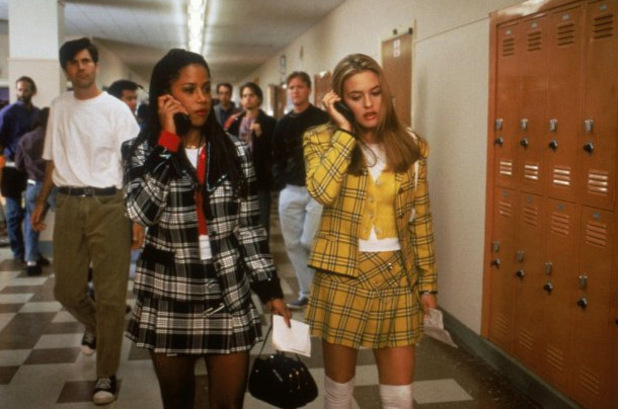
Stock settings:
  • Parties
  • School
  • Home (usually main characters bedroom) 
  • Park
  • Shops/Town Centres

Stock characters:
  • Female protagonist- Usually a female character, somebody the audience can relate to, an outcast.
  • Male protagonist- Clumsy, somebody who the character sees more of as a 'friend'.
  • Love Interest- Typical dream guy, usually popular and out of the characters league.
  • Best Friend- Provides support for friend, main character might let her down, comic element is added. 
  • Antagonist-Enemy to the protagonist, usually has an interest in dream guy, usually more popular and has a large group of friends.
  • Parents/teachers- Have control over protagonist, cause problems.

Themes:

  • Love 
  • Romance
  • Deceit
  • Finding 'who you are'
  • Sex
  • Happily ever after 
  • Embarrassment
Iconography:
  •  
  • Love hearts
  • Kissing
  • Flowers
  • Chocolate
  • The colours red and pink
  • Mobile phones, internet, laptops

Narrative
  • Main character who is usually an outcast, fancies the 'dream guy' who is  out of her league. 
  • Antagonist usually also fancies the same person.
  • There might also be another male character who loves the main character but is not suspected of doing so. 
  • Fight between antagonist and protagonist.
  • Conflict between dream guy and protagonist; realisation she does not love him but loves other male character.
  • Sometimes the main character will let down the best friend for the guy but they will eventually reconcile.
  • Lives happily ever after.


Examples of teen romantic-comedy films


History of the romantic-comedy genre

The romantic-comedy genre is a hybrid of the romance and comedy genres. The most early depictions of the romantic-comedy genre have been seen in Shakespearean pays such as 'A Midsummer Nights Dream', 'The Taming of the Shrew' and 'Much ado about Nothing'. Many modern romantic-comedy films have been based around similar plots of these 16th century plays. Other ancient Greek comedy plays have incorporated sex and relationships elements into the plays. 

Popularity for the romantic-comedy genre generally declined through the 20th century up to the 60's. After this time the popularity increased due to the change in societies views about sex, relationships and marriage. Romantic-comedies such as 'When Harry met Sally' revived the rom-com genre and paved the way for the modern typical rom-com. From then on in the romantic-comedy has become one of the most popular genres of film at cinemas. Its appeal to a large female audience clearly contributes to its popularity and its predictability providesthe audience with comfort that everything will end up having a 'happily ever after'. Characters in romantic comedy films mirror those that we have in our real lives and allow us to empathise with them. 


Teen romantic-comedies in particular appeal to teenagers. Developed from the 90's onwards it provides comfort for a large female teenage audience in a time when romance and emotions are constantly on their minds. They deal with typical issues in a teenagers life that they will be able to relate to and present the idea that everything will end up great. This would  be a particular worry for teenagers at this time and they are likely to relate to this main issue and plot in the films. 
An introduction to our coursework


To start off our coursework, we looked at the different kinds of research that we would have to conduct to get a clear idea about our target audience and the openings of our film genre. We looked at the two types of research; primary and secondary. We identified what kind of questions we would ask, how we would obtain the research and why we would have to get this research. We decided on two types of research: a questionnaire and a focus group/interviews. By creating a questionnaire we will be able to identify the demographics of our target audience and what they expect in the openings of our chosen genre. Both closed and open questions will be used in our questionnaire to get an idea of who our target audience is and what there opinions of our genre are. Our focus group and interviews will allow us to get a more detailed view of the opinions of our target audience, what they prefer and what they do not like, as well as what they think we should include. By the end of the lesson we decided on the genre of the opening of our film, we decided to create the opening to a teen romantic-comedy film